

 Back to Blogs
Signs Your Storm Door Is No Longer Providing Proper Ventilation
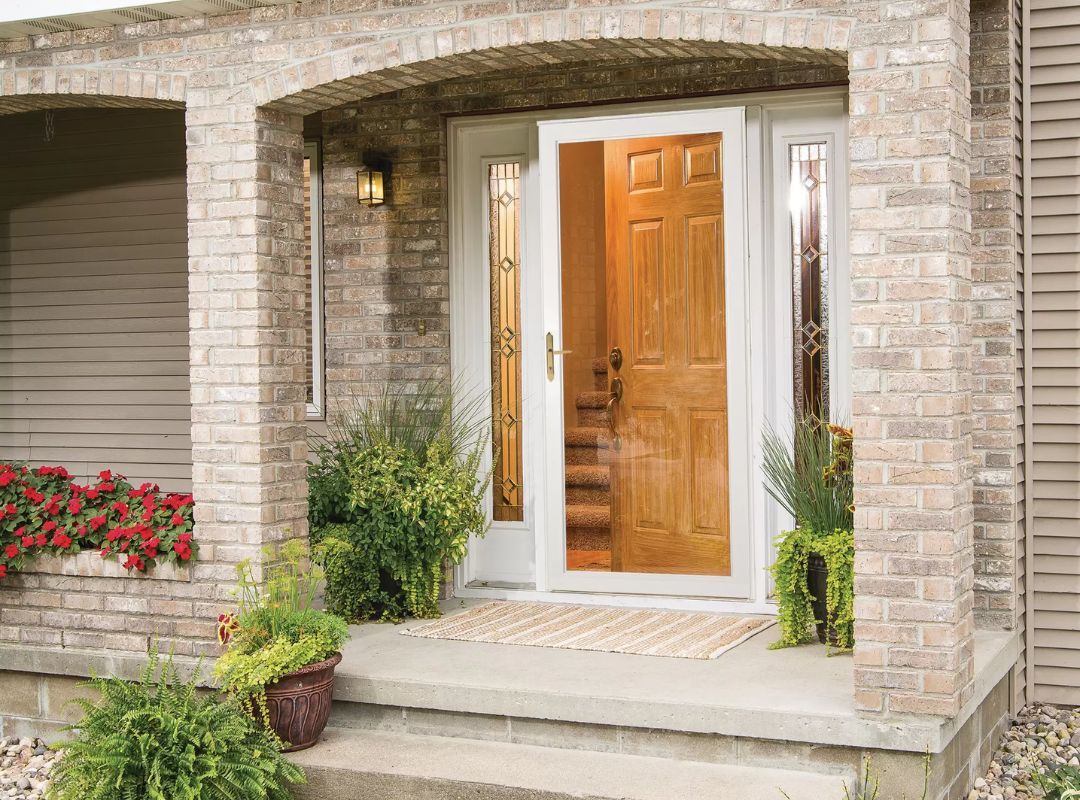
You crack open the storm door on a mild afternoon, expecting a breeze to sweep through the house, but instead the air barely moves. That kind of moment is often the first clue that something is off with the storm door's ventilation, and it becomes more common than most homeowners realize once a door has been in service for several years.
Why Ventilation Actually Matters at Your Front Entrance
A storm door is not just an extra layer of protection against the weather. Many models are built to let homeowners bring fresh air into the house without fully opening the main entry door, which is especially useful during mild spring and fall weather when running the air conditioning or furnace does not make sense. However, entry door problems and indoor comfort can become closely connected when a storm door stops air from moving the way it should. You lose that natural airflow, and the home can start to feel stuffier than it needs to.
How a Storm Door Is Designed to Work
Ventilating storm doors typically include a screen panel that can be opened independently of the glass panel, allowing air to pass through while keeping insects out. Retractable screen designs work a little differently: they roll the screen into place only when needed, keeping the door looking clean when the screen is not in use. Either way, the system depends on smooth-moving parts, a properly fitted frame, and a screen that is free of tears or gaps.
Most homeowners do not think much about how these components work together until something stops functioning the way it should. A screen that glides smoothly, a frame that sits flush against the entry door opening, and hardware that latches securely are all working in tandem every time you open the storm door for a little fresh air. Understanding the benefits of storm doors can help homeowners see how each component contributes to better ventilation, added protection, and everyday comfort. When even one of those elements starts to fail, the whole system becomes less effective at doing the one thing it is there for.
Signs Your Storm Door Has Stopped Ventilating Properly
A few patterns tend to show up when a storm door is no longer doing its job.
- The screen panel will not stay open, or it slides back down on its own
- Torn or sagging screen mesh that lets in bugs along with the air
- A retractable screen that sticks partway or will not fully retract
- Noticeable gaps around the frame where air escapes instead of flowing through the screen as intended
- Hinges or latches that have loosened enough to affect how the door sits in its frame
- A door that feels heavier or harder to operate than it used to
Any one of these can quietly limit airflow, and several together usually mean the door is working against you rather than for you.
What Causes These Ventilation Problems Over Time
Storm doors take on more daily wear than most homeowners think about. They are constantly opened and closed, exposed directly to sun, rain, and temperature swings, and often bear the brunt of wind gusts that a primary entry door never has to withstand. Screen material naturally weakens with UV exposure over the years, hardware loosens from repeated use, and frame misalignment can develop as a house settles. None of this points to a defect. It is simply the expected result of a door doing its job through years of daily use and changing seasons.
Closer inspection often reveals more than one issue happening at once. A screen that has stretched slightly may no longer sit tight in its track, which then puts extra strain on the retracting mechanism. A loose latch may cause the door to sit at a slightly different angle in its frame, creating small gaps that were not there when the door was new. These small changes rarely happen all at once, which is part of why the loss of proper airflow can feel gradual rather than sudden.
Seasonal Weather Adds Extra Strain
South-central Indiana homes deal with humid summers, cold winters, and everything in between, and a storm door absorbs much of that variation directly. Screens can stretch or sag more in summer heat, while cold weather can make hinges and latches stiffer and slower to respond. Over several years of these seasonal cycles, small issues tend to compound into noticeable ventilation problems described above.
If your storm door has stopped letting fresh air through the way it once did, it may be worth scheduling a Free In-Home Quote to see what a properly fitted replacement would look like for your entryway.
What to Look for in a Replacement Storm Door
When it is time to consider a new storm door, ventilation performance should be part of the decision, not an afterthought. Ventilating storm doors with a dependable screen mechanism are worth prioritizing if fresh airflow matters to you year-round. Retractable screen storm doors offer a cleaner look when the screen is not in use, while still providing full ventilation on demand. Full-view and traditional styles are worth considering, too, depending on how much natural light and visibility you want at your entrance.
Look for solid hardware, a frame that fits tightly against the entry door opening, and a screen material built to withstand sun and weather over time.
What Homeowners Can Expect During Replacement
The process starts with a conversation with a Design Consultant, who walks through style and screen options based on how you use your entryway. From there, you receive a Free Quote, and your new storm door is custom-made to fit your home before a professional installation team installs it. Window World storm doors are backed by a limited lifetime warranty, with restrictions that apply; full details are available at your nearest store.
A storm door that ventilates properly makes a real difference in how comfortable your entryway feels across the year, especially during the mild stretches of spring and fall when open-air breezes are worth taking advantage of. If yours has stopped pulling its weight, addressing it now is a practical step toward restoring that fresh airflow.
Frequently Asked Questions
-
It usually means the screen, hardware, or frame has worn down over time, restricting airflow that the door was originally designed to allow.
-
Yes. A torn or sagging screen lets air escape unevenly and often lets insects in, reducing the door's ability to manage airflow.
-
Worn tracks or hardware can cause a retractable screen to stick partway, which is common after years of regular use and exposure to weather.
-
Yes. Ventilating storm doors include a screen panel designed to let fresh air through independently of the glass panel.
-
Persistent screen damage, misaligned hardware, and gaps around the frame usually signal that it is time to consider a full replacement.