

 Back to Blogs
What to Expect During a Professional Entry Door Installation
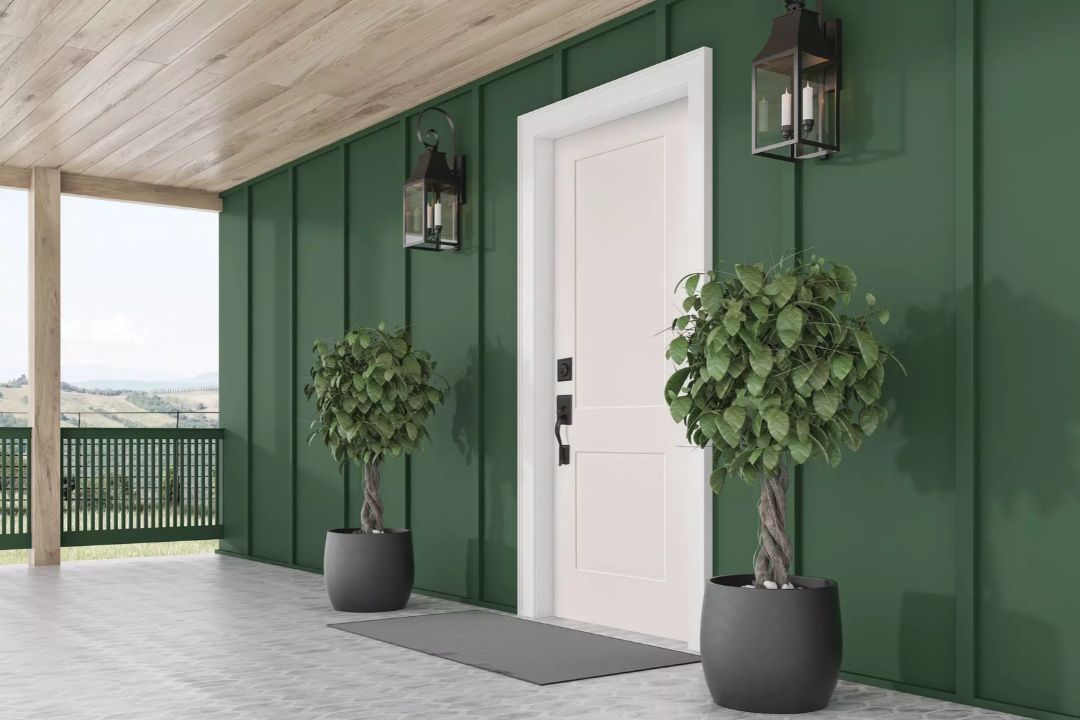
Your front door works harder than many homeowners realize. It faces strong Indiana winds, summer humidity, and daily use year after year. When it starts sticking in its frame or letting in drafts, an entry door installation may be the solution. Knowing what to expect on installation day helps you prepare and plan your morning.
Before the Crew Ever Shows Up
A successful entry door installation starts with accurate measurements. A Window World Design Consultant visits your home to measure the rough opening, inspect the surrounding framing, and help you explore entry door styles that suit your entryway and home's overall design.
This is also when you choose your door. Options such as Modern entry doors, Woodgrain entry doors, and Smooth entry doors offer different looks and finishes. Fiberglass doors generally resist moisture-related swelling and rot better than wood doors, although performance varies by product and exposure. Once you select a style, glass pattern, and hardware finish, the team orders or prepares a door to fit your home's measurements and specifications.
Removing the Old Door
On installation day, the crew begins by removing the existing door, frame, and threshold as needed. This step can reveal what caused the original door to stick or let in drafts. Old caulk may have deteriorated, wood framing may show signs of moisture damage, or shims may have shifted. A careful installer inspects the rough opening instead of simply fitting a new frame into a damaged one.
If the surrounding wood or trim needs minor repairs before the new door goes in, the crew addresses those issues as needed. Skipping necessary repairs can leave a new door vulnerable to drafts, moisture, and alignment problems.
The crew also removes the old materials and keeps the work area as clear as possible. Although the exact level of disruption depends on the condition of the opening, replacing a single door is usually less involved than a larger remodeling project.
Setting the New Frame and Door
Once the opening is ready, the team positions the new frame. Installers check that it is level, plumb, and square, then use shims to achieve an even fit. Proper alignment helps the door swing smoothly, close securely, and latch correctly.
With the frame secured, the crew hangs the door slab on its hinges. They test the swing, latch, and deadbolt to confirm that everything aligns properly. The team also installs and adjusts the selected hardware, which may include a handleset, deadbolt, or multipoint locking system.
Sealing, Insulating, and Weatherproofing
Proper sealing is one of the most important parts of entry door installation. The crew insulates the gap between the new frame and the rough opening with suitable materials and seals the perimeter to help limit air leakage. They also adjust the threshold so the door meets it evenly, helping reduce drafts and the risk of water intrusion.
Exterior trim and caulking help protect the opening from the elements and create a finished appearance. The crew may also reset or replace interior trim, depending on the project scope. Careful work at this stage helps the door perform as intended and reduces the risk of problems later.
Weatherproofing is especially important in South Central Indiana, where winters can bring freezing temperatures and summers often bring high humidity. Small gaps may allow noticeable drafts during cold weather, so installers must pay close attention to the fit and seal around the door.
What Homeowners Often Overlook on Install Day
A few details can catch homeowners off guard, even when the installation goes smoothly.
Door swing direction matters. If your new door swings differently from your old one, nearby furniture, walls, or porch railings may interfere with its operation. Confirm the swing direction during your consultation rather than waiting until installation day.
You may also need to touch up paint or stain around the new trim after installation. The work required depends on the existing finish and the trim used for the project. If your entryway has an uneven porch or stoop, that condition may affect how the threshold fits and seals. Ask your Design Consultant to review any concerns before the door is ordered.
Storm door compatibility is another important consideration. If you have a storm door, tell your Design Consultant during the consultation. The entry door and storm door must work together without interfering with each other's operation or the threshold.
Final Walkthrough and Warranty Coverage
Before the crew leaves, they review the completed installation with you. This usually includes testing the lock, checking that the door closes smoothly without excessive force, and inspecting the weatherstripping for visible gaps. Use this opportunity to ask questions or point out anything that does not seem right.
Window World of South Central Indiana offers a limited lifetime warranty for its entry doors, subject to restrictions. Review the full warranty terms or contact our team with questions about coverage for your home.
Ready to Start Your Own Entry Door Installation
If your current door is drafty, difficult to lock, or outdated, the process starts with a conversation. Try our Design Center to preview how a new door might look on your home, or review our installation process before scheduling a consultation.
When you're ready, request a free quote. A Window World Design Consultant can walk you through door options for homes in Columbus and the surrounding communities the company serves.
Frequently Asked Questions
-
Many single entry door installations take several hours. The exact time depends on the door type, the condition of the existing frame, and whether the opening needs repairs or adjustments. Ask your installer for an estimate based on your project.
-
Many smooth fiberglass entry doors can be painted, while some woodgrain styles can be stained or come with a factory finish. Options vary by product, so check the manufacturer's finishing instructions before choosing a paint or stain.
-
Often, yes. Your Design Consultant measures the existing opening to help determine the correct door size and configuration. If the frame or rough opening needs changes, the team should discuss those requirements before installation.
-
A properly fitted and sealed entry door can reduce drafts caused by gaps around an older door. Results depend on the condition of the frame, weatherstripping, threshold, and surrounding structure.
-
The decision depends on the weather, the installation method, and the steps needed to protect your home from moisture. Significant rain may require rescheduling. Contact your installation team if severe weather is forecast for your appointment.