

 Back to Blogs
How Storm Doors Protect Your Entry Door
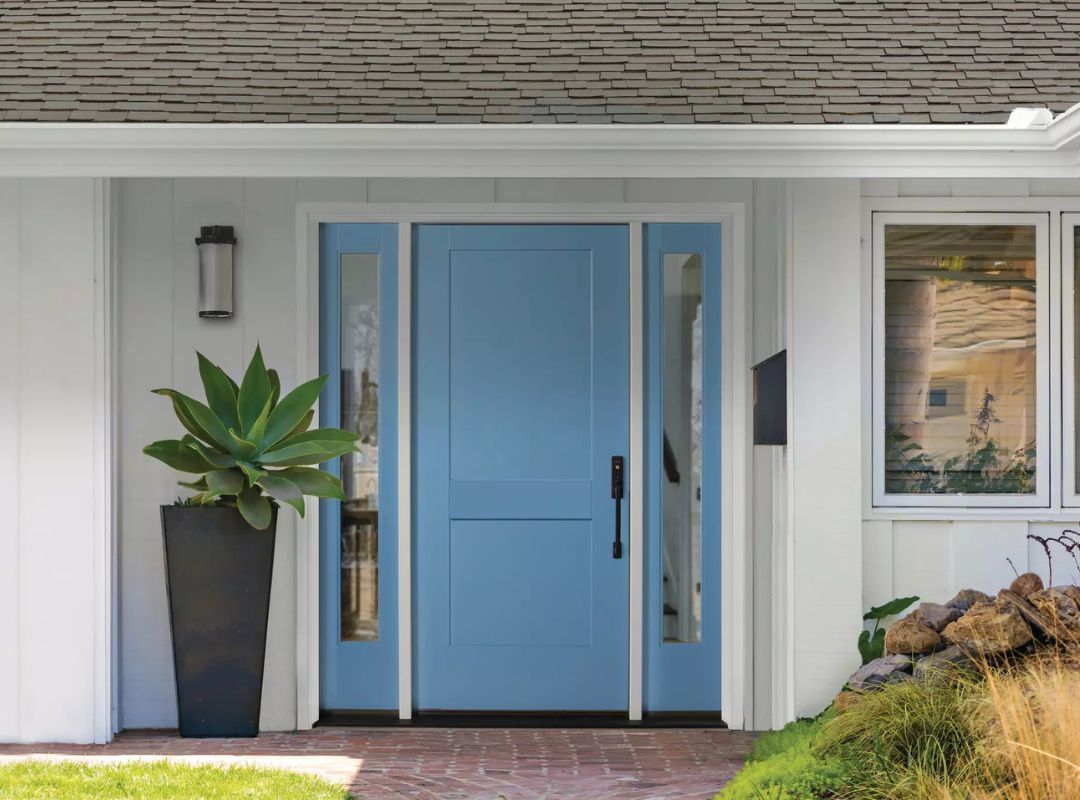
A single afternoon storm can send driving rain, gusting wind, and stray debris straight at your front entrance, and your entry door absorbs most of the impact. Over months and years, this kind of repeated exposure is exactly what storm door protection is designed to reduce, acting as a buffer between your entry door and whatever the weather throws at it.
What a Storm Door Actually Shields Against
It is easy to think of a storm door as a screen for fresh air and not much else, but its protective role is just as important, and for many homeowners it is the main reason to add one in the first place. A storm door creates a layer between your entry door and direct sun, wind-driven rain, and airborne debris. Instead of your entry door taking the full brunt of the elements, the storm door first absorbs a large share of it, standing between your home and the weather on days when the front entrance would otherwise bear the impact alone.
Three Weather Factors That Wear Down an Entry Door Over Time
Sun exposure is one of the most underrated culprits. UV rays can fade paint and finishes and, over years, contribute to warping on doors that face direct sunlight for much of the day. Wind-driven rain is another major factor, since water that reaches an entry door’s surface and seams can gradually work its way into the material, especially around edges and hardware. Finally, temperature swings between hot summer afternoons and freezing winter nights cause expansion and contraction that stresses both the door and its frame.
A storm door does not eliminate these forces, but it does reduce how directly and how often they reach your entry door. Think of it as the first line of contact. Rain hits the storm door’s glass or paneling before it ever reaches the entry door’s surface, and much of the wind’s force is broken before it pushes against the door underneath. That difference, repeated across hundreds of storms and sunny afternoons over the years, is where the real value of storm door protection shows up.
Signs Your Entry Door Has Been Taking on Too Much Wear
Without a storm door, or with a storm door that is no longer sealing properly, an entry door tends to show wear sooner than it otherwise would. Watch for these signs.
- Fading, peeling, or discolored finish on the side that faces the weather
- Slight warping or a door that no longer sits perfectly flush in its frame
- Increased drafts around the edges compared to previous years
- Water staining or swelling near the base of the door
- Hardware that has become pitted or harder to operate
If your entry door shows several of these signs, it may indicate it has been exposed to more weather than it should, and that added protection at the front of your home is worth considering.
How Real Protection Extends the Life of Your Entry Door
Homeowners often assume an entry door’s lifespan is fixed, but exposure plays a bigger role than most people expect. A door that faces the southern or western sun and is exposed to regular wind-driven rain will generally show wear faster than one that is more sheltered. Understanding how entry doors affect home comfort is also important, as proper protection can help maintain indoor comfort and reduce the impact of outdoor conditions. Adding a storm door reduces direct exposure, which can help preserve the finish, structure, and hardware of the entry door beneath it for longer.
This does not mean an entry door becomes maintenance-free. It simply means the door is experiencing less direct stress from the sun, rain, and temperature extremes daily, which adds up meaningfully over the years. Homeowners who add a storm door to a heavily exposed entrance often notice that the finish and hardware on their entry door hold up more consistently than at neighboring homes without that extra layer, particularly on entrances that face west or south, where sun exposure tends to be strongest.
What to Look for in a Storm Door That Actually Protects
Not every storm door provides the same level of protection. A few features are worth prioritizing if shielding your entry door is the main goal.
Full-view storm doors offer a large glass panel that blocks wind and rain while still letting light through, making them a strong choice for entrances that face regular weather exposure. Traditional storm doors combine a smaller glass section with more solid paneling, which can offer additional coverage depending on your entryway’s orientation. Security storm doors add reinforced construction for entrances that need an extra layer of durability. Choosing the right design can also help address storm door ventilation problems by providing proper airflow while maintaining security. Whichever style fits your home, look for solid hardware, a frame that seals tightly against the entry door opening, and glass or paneling built to withstand sun and moisture over time.
If your entry door has been showing signs of weather wear, scheduling a Free In-Home Quote is a straightforward way to see what added storm door protection could look like for your home.
What to Expect When Adding a Storm Door
The process starts with a Design Consultant who reviews your entryway, discusses style and coverage options, and provides a Free Quote based on your home. From there, your storm door is custom-made to fit your entrance and installed by a professional team that understands how to seal it properly against the frame. A limited lifetime warranty with restrictions backs Window World storm doors; full details are available at your nearest store.
Protecting the entry door you already have is often a more practical first step than assuming it will eventually need to be replaced due to weather wear alone. A well-fitted storm door absorbs the daily impact of sun, rain, and wind, giving your entry door a real chance to hold up for years to come.
Frequently Asked Questions
-
Yes. It reduces direct exposure to sun, rain, and wind, which are the main factors that cause entry doors to wear down over time.
-
Full view and security storm doors generally provide strong coverage, combining glass or reinforced paneling with a tight-sealing frame.
-
It can help reduce it. Blocking direct sun exposure slows fading and finish wear caused by years of UV exposure.
-
Look for fading, slight warping, water staining near the base, or hardware that has become harder to operate over time.
-
Routine cleaning and occasional hardware checks are typically enough to keep a storm door performing well season after season.