

 Back to Blogs
Insulated vs Non-Insulated Garage Doors: What to Know Before Installation
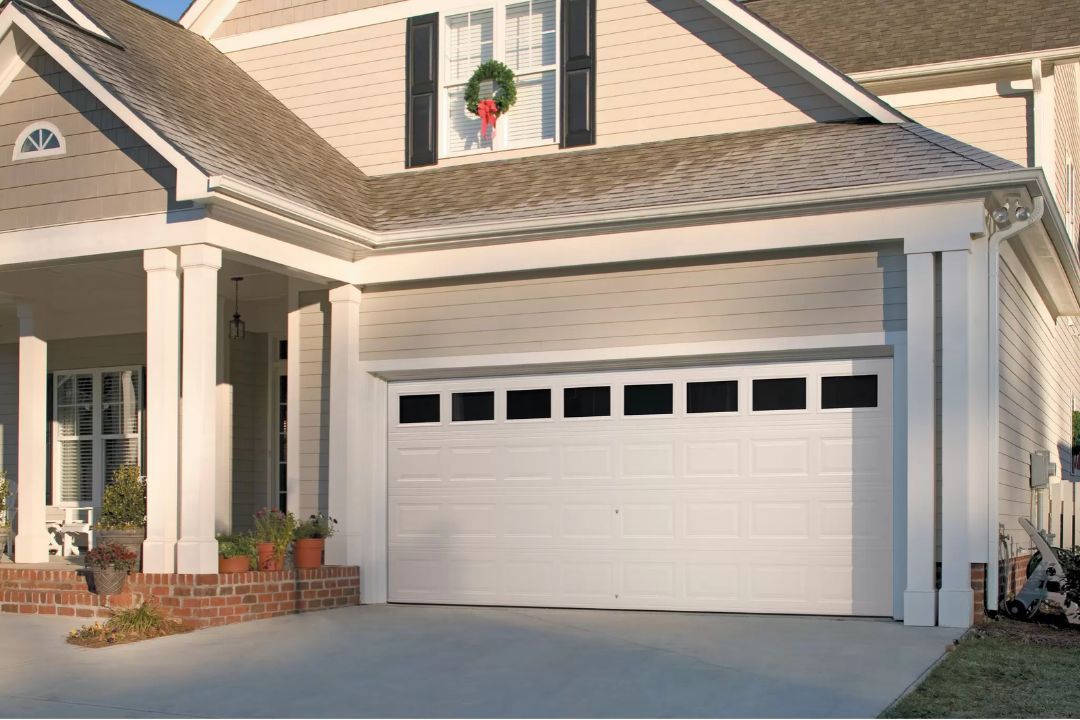
The garage door is one of the largest moving parts on a home, and it’s easy to overlook until you’re standing in a freezing garage in January wondering why it feels colder in there than it does outside. Whether to choose insulated garage doors or stick with a standard non-insulated option depends on how the garage actually gets used, not just which one sounds like the better upgrade on a spec sheet.
What Insulation Actually Changes About a Garage Door
A non-insulated garage door is typically a single layer of material, most often steel, with nothing between the outside surface and the inside of the garage. An insulated garage door adds a layer of insulation between the two panels, which changes how the door responds to outside temperature, sound, and impact.
That construction difference is the reason the two door types perform so differently once they’re installed, even when they look similar from the driveway.
Temperature Control Inside the Garage
An insulated garage door helps moderate temperature swings inside the garage compared to a non-insulated door, which tends to reflect the outside temperature fairly closely. In a Terre Haute winter, that difference can mean a garage that stays noticeably more comfortable to work in, rather than one that feels like an extension of the outdoors.
This matters even more for attached garages, since a garage that runs significantly colder or hotter than the rest of the house can affect the comfort of any rooms that share a wall with it, as well as anything stored in the space that’s sensitive to temperature swings.
Noise Reduction Differences
Garage doors are naturally loud when they operate, between the motor, the track, and the door panels themselves. An insulated door’s added layer helps dampen some of that sound, both from the door’s own operation and from outside noise entering. For homes with a bedroom or living space above or adjacent to the garage, that difference is often more noticeable day-to-day than the temperature benefit.
Durability and Everyday Wear
Insulated garage doors are generally built with a thicker, layered panel construction, which tends to hold up better against dents and everyday impacts than a single-layer of steel. A basketball, a bike leaned against the door, or an accidental bump from a car door tends to leave less of a mark on an insulated door than it would on a thinner non-insulated panel.
That added construction can also make an insulated door feel and sound sturdier when it opens and closes, since there’s less flex in the panel itself. Over years of daily use, that difference tends to become more noticeable, particularly for households that use the garage door multiple times a day.
When a Non-Insulated Garage Door Still Makes Sense
Insulation isn’t automatically the right choice for every situation. A detached garage used solely for vehicle storage, with no conditioned space nearby and no rooms sharing a wall with it, may not require additional insulation to serve its purpose. Non-insulated doors are also typically the more budget-friendly option up front, which matters for homeowners prioritizing cost over added performance.
The right choice comes down to how the garage is used, not just which option sounds like the upgrade on paper. A quick, honest assessment of daily use is usually more useful than trying to decide based on general assumptions about what a garage door should have.
Questions Worth Asking Before You Decide
A few considerations tend to point homeowners in the right direction:
- Is the garage attached to the house, with shared walls to living space?
- Does anyone use the garage as a workspace, not just for parking?
- Is noise from the garage door noticeable inside the home?
- Are temperature-sensitive items stored in the garage year-round?
- Is the garage door original to the home and due for replacement anyway?
Answering these honestly makes it clear whether to choose an insulated or non-insulated option.
What Installation Involves
Garage door installation involves more than hanging a new panel. It includes properly setting the track, balancing the springs, and calibrating the opener so the door operates smoothly and safely. This is especially true with insulated doors, which are heavier than standard panels and depend on properly adjusted hardware to open and close as designed.
A Design Consultant can evaluate your current garage door, walk through insulated and non-insulated options, and help you decide based on how your garage actually functions. Window World of Terre Haute offers a Free In-Home Quote, so you can compare both options before making a decision.
Backed by Professional Installation and a Limited Lifetime Warranty
Every garage door from Window World is installed by a professional team and backed by our limited lifetime warranty. Restrictions may apply. For complete details, see the warranty at your nearest Window World store. With our flexible home improvement financing options, you can start enjoying your remodeled home today. Subject to credit approval; see store for details.
Choosing the Right Door for How You Actually Use Your Garage
There’s no universally correct answer between insulated and non-insulated garage doors. The right choice comes down to whether temperature, noise, and durability matter for your specific garage, or whether a straightforward, budget-conscious option meets your actual needs.
Frequently Asked Questions
-
Yes. Insulated doors help moderate temperature swings inside the garage more effectively than non-insulated options.
-
Generally, yes, due to the added materials and construction, though the added performance is worth it for many homeowners.
-
Not always. A detached garage used only for storage may not need insulation the way an attached garage does.
-
Yes. The added panel layer helps reduce outside noise as well as sound from the door’s operation.
-
Installation timelines vary by project. A Design Consultant can provide specifics during your consultation.