

 Back to Blogs
Fiberglass Entry Doors: Why Installation Quality Matters as Much as the Door
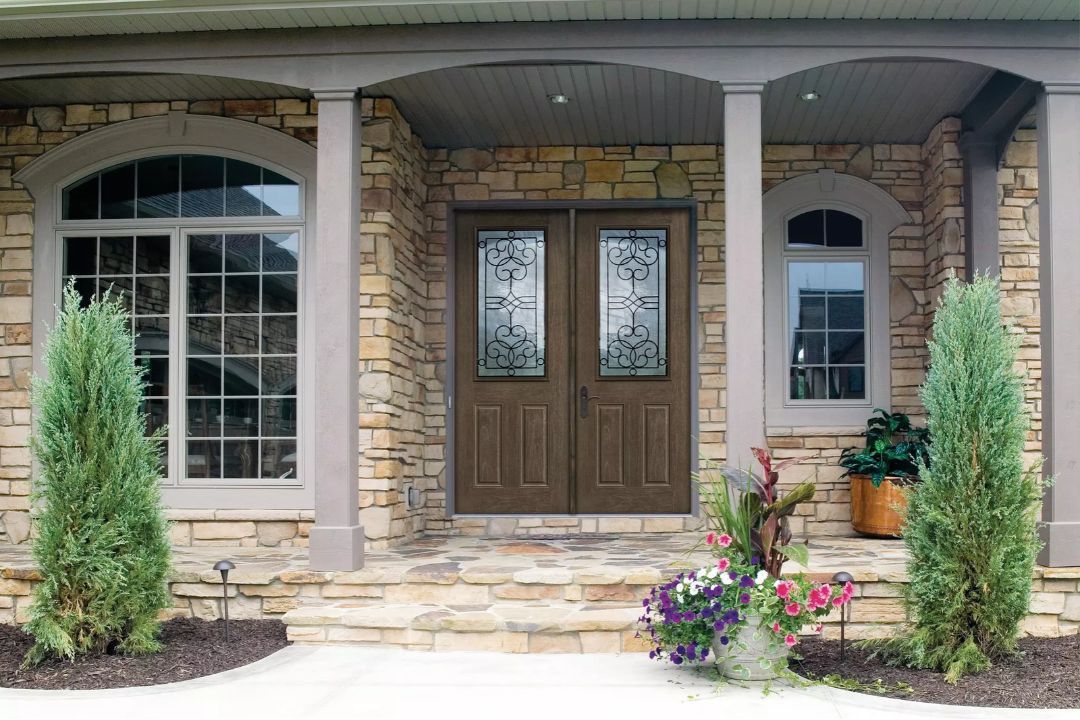
A homeowner in Terre Haute recently described a front door that looked great, felt solid when they bought it, and still let in a steady draft every winter. The door itself wasn’t the problem. How it was installed was. That gap between a quality product and a quality result is exactly why installing a fiberglass entry door deserves just as much attention as the door itself, especially in a climate that places real demands on an entry door through cold winters and humid summers.
The Part of the Process That’s Easy to Overlook
It’s natural to focus on the door when shopping for a replacement. Panel style, glass options, and finish all get the attention, and understandably so, since those are the details you see every day. But a door only performs the way it’s designed to when it’s set correctly into the opening, and that part happens after the door itself has already been chosen.
Two homes can have the identical fiberglass door, and one can feel tight and draft-free while the other struggles with air leaks, sticking, or an uneven gap around the frame. The difference almost always comes down to how the door was installed, not the door itself.
What Proper Installation Actually Involves
Getting a door installed correctly takes more steps than most homeowners realize.
The opening has to be level and plumb before the new door frame goes in. Even a slightly out-of-square opening can cause a door to hang unevenly, which leads to gaps, drafts, or a door that doesn’t latch smoothly.
Flashing around the frame protects the structure behind the door from moisture that could otherwise seep in over time. Skipping or improperly installing flashing is one of the more common causes of hidden water damage around an entry door.
Shimming the frame so the door hangs evenly, sealing the perimeter with the correct materials, and setting the threshold properly all affect how tightly the door seals once it’s closed. Each of these steps sounds minor individually, but skipping or rushing any one of them shows up later as a draft, a squeak, or a door that’s harder to open and close than it should be.
Why This Matters More for Entry Doors Specifically
An entry door carries more weight and gets more daily use than almost any other opening in a home. It swings on hinges dozens of times a day, gets exposed directly to weather, and needs to seal tightly enough to keep drafts out through every season. A door that’s slightly out of alignment because of installation issues wears unevenly over time, putting extra stress on hinges and hardware that a properly installed door wouldn’t experience.
This is also where fiberglass doors benefit most from proper installation. The material itself resists warping and cracking, but that durability only matters if the frame around it is set correctly from the start.
Signs an Entry Door Wasn’t Installed Correctly
A few patterns tend to point back to installation rather than the door itself:
- Uneven gaps visible around the edges of the door when closed
- A door that requires extra force to latch or doesn’t latch consistently
- Drafts near the frame even though the door itself is in good condition
- A threshold that feels uneven or lets water pool near the doorway
- Noticeable settling or shifting within the first year after installation
If any of these sound familiar with a relatively new door, it’s worth having the installation itself evaluated rather than assuming the door is defective.
Why Professional Installation Isn’t Optional
Entry door installation involves structural work on the opening itself, not just fitting a door into an existing frame. Getting the flashing, sealing, and alignment right takes experience with the specific product being installed, since fiberglass doors have installation requirements that differ from those of older wood or steel doors. This isn’t a project suited to shortcuts, and improper installation can affect both the door’s performance and its warranty coverage. In a region like Terre Haute, where seasonal temperature swings put ongoing stress on exterior openings, getting these details right matters even more.
Window World’s installation teams treat every home with care and follow the process required to ensure applicable local building codes are met, so your new fiberglass door performs as designed from day one.
What the Process Looks Like
The process starts with a Free In-Home Quote, where a Design Consultant reviews your current entry door, discusses fiberglass options, and walks through styles and finishes suited to your home. Once your custom door is manufactured, professional installation follows, with attention paid to leveling, sealing, and every detail that affects how the door performs for years to come.
Our limited lifetime warranty backs every fiberglass entry door from Window World of Terre Haute. Restrictions may apply. For complete details, see the warranty at your nearest Window World store. With our flexible home improvement financing options, you can start enjoying your remodeled home today. Subject to credit approval; see store for details.
A Door Is Only as Good as Its Installation
Choosing a quality fiberglass entry door is an important first step, but it’s only half of what determines how well that door actually performs. Correct installation is what turns a good product into a door that seals tightly, operates smoothly, and holds up through years of daily use and changing weather.
Frequently Asked Questions
-
Yes. Improper installation can cause drafts, uneven gaps, and operational issues even with a high-quality fiberglass door.
-
Flashing directs moisture away from the frame, helping prevent hidden water damage around the door opening over time.
-
Check for even gaps around the door, smooth latching, and no noticeable drafts near the frame when closed.
-
Yes. Improper installation can impact warranty coverage, which is why professional installation is strongly recommended.
-
Extra weight puts more stress on hinges and the frame, making correct leveling and alignment especially important.